Source Collapsible Colander for Kitchen, Camping, and Travel
Source a collapsible colander from 30 verified listings. Compare features like silicone construction, BPA-free materials, and portable designs. Evaluate options for kitchen, camping, and travel use with detailed specs and pricing; compare the available evidence and request quotations based on your requirements.
Key considerations
Products List




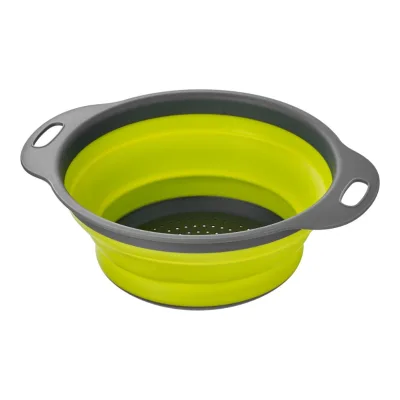
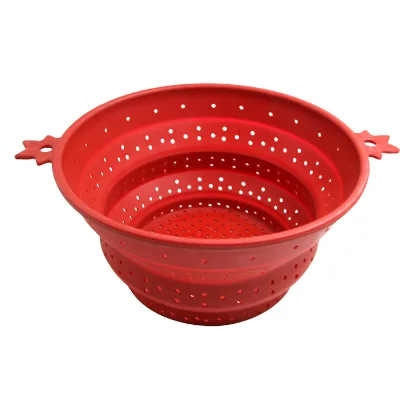
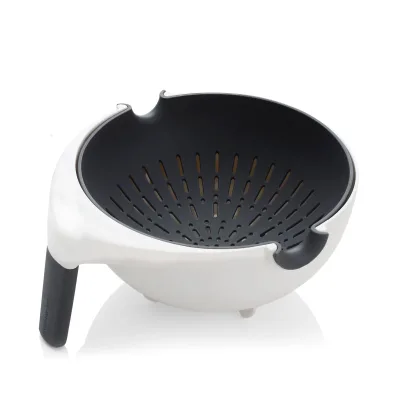
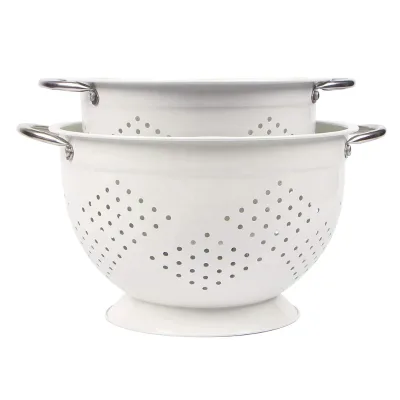


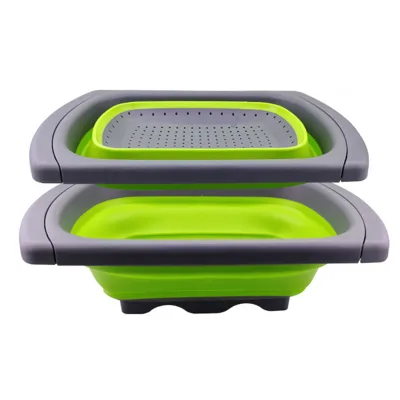
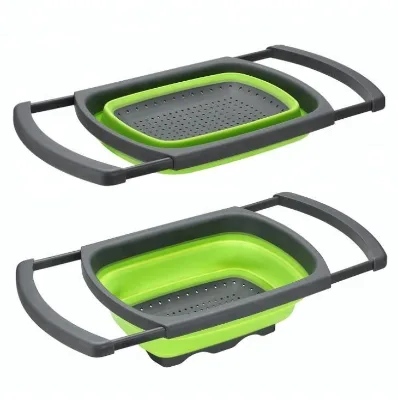


Comprehensive Sourcing Guide
Collapsible Colander Sourcing Guide
The global market for collapsible colanders has expanded significantly, driven by consumer demand for space-saving kitchenware that maintains high drainage efficiency. Based on observed listings, these products are primarily manufactured in Guangdong and Zhejiang provinces, with a notable concentration of suppliers offering silicone and food-grade PP construction. Buyers should note that the observed price range spans from $0.30 to $50, reflecting a wide disparity in material quality, brand positioning, and manufacturing complexity. This variance necessitates a rigorous vetting process to distinguish between basic plastic models and premium silicone folding units designed for professional or heavy-duty home use.
Procurement strategies must account for the diverse specifications found in current listings, which include varying sizes from small to large and distinct weight profiles ranging from 120g to over 500g. The observed data indicates that some units are marketed as "Ultrahigh Purity Strainers" while others are labeled simply as "Vegetable collapsible Basket," suggesting that buyers must verify the exact functional classification before ordering. Furthermore, the availability of OEM branding and customized packaging options allows for significant differentiation, yet it requires clear communication of technical requirements to ensure the final product meets the intended operational standards for kitchen water filtration and food preparation.
Product Scope and Observed Listing Signals
Buyers must carefully distinguish between the core material compositions observed in the market, specifically the difference between pure plastic models and those combining silicone with food-grade PP. The data reveals that high-performance units often feature a temperature tolerance range of -40 to 240 degrees, a critical specification for products intended for boiling water or dishwasher cleaning. In contrast, basic plastic variants may lack this thermal resilience, limiting their application to cold water rinsing or room-temperature storage. This distinction directly impacts the product's longevity and safety, making material verification a primary decision point during the sourcing phase.
The functional scope of these items extends beyond simple draining, with many listings highlighting features like built-in filters and collapsible designs for portability. Observed attributes such as "Stocked" availability and single-item selling units suggest a market ready for immediate fulfillment, yet the presence of custom logo acceptance and varied packaging options like poly bags or color boxes indicates a strong B2B component. Procurement teams should evaluate whether the specific model number, such as S41 or JS524071111, aligns with their inventory needs, as these identifiers often correlate with specific dimensional constraints and weight capacities that affect shipping logistics and storage efficiency.
Technical Specifications to Verify
Dimensional accuracy and weight consistency are paramount when selecting a collapsible colander, as observed listings show significant variation in single package sizes and gross weights. Buyers should verify that the physical dimensions, such as the 40x27x5 cm package size or the 48x21.5x9.5 cm standard, match the intended storage space in their supply chain or retail environment. The weight of the product, ranging from 120g to 0.800kg, influences shipping costs and handling requirements, particularly for bulk orders where even minor weight differences can accumulate into substantial freight expenses. Ensuring these specifications are explicitly defined in the purchase order prevents discrepancies between the ordered sample and the final production batch.
Thermal performance and structural integrity must be validated against the specific usage scenarios anticipated by the end-user. The observed temperature range of -40 to 240 degrees is a key differentiator for silicone-based models, indicating suitability for high-heat cooking applications and freezing storage. However, buyers must confirm that the "Built-in Filter" feature and "Front" installation type are compatible with their specific kitchen fixtures or commercial equipment. Verifying the model number and associated technical data ensures that the product will not deform under heat stress or fail to drain effectively, which are common failure points in lower-quality plastic alternatives.
Compliance and Safety Documentation
Food safety compliance is the non-negotiable baseline for any kitchenware product, requiring verification of BPA-free status and food-grade material certification. The observed listings explicitly mention "BPA Free" and "Food grade PP" as key attributes, yet buyers must request independent test reports to confirm these claims, especially for products sourced from regions with varying regulatory enforcement. Without documented evidence of compliance with international food contact standards, such as FDA or EU regulations, the risk of product recalls or legal liability increases significantly. Procurement teams should treat the "BPA Free" label as a starting point rather than a guarantee of safety.
Beyond material safety, the warranty and durability claims require formal documentation to protect the buyer's investment. The observed 12-month warranty period provides a benchmark for expected product lifespan, but the terms of this warranty must be clearly defined in the supplier agreement. Buyers should ensure that the warranty covers defects in material and workmanship, including issues related to the silicone folding mechanism or the structural integrity of the drain basket. Additionally, verifying that the "Customized Is Accepted" logo and packaging options do not compromise the product's safety certifications is essential for maintaining brand integrity and consumer trust.
Cost Drivers and Commercial Terms
Pricing in the collapsible colander market is heavily influenced by material composition, with silicone and food-grade PP units commanding higher prices than basic plastic models. The observed range of $0.30 to $50 reflects this disparity, where the lower end likely represents simple plastic strainers and the higher end includes premium silicone folding baskets with advanced features. Buyers must analyze the cost per unit against the expected lifespan and performance to determine the true value proposition, rather than simply selecting the lowest price option. Understanding the cost drivers helps in negotiating better terms and avoiding hidden expenses related to quality failures or returns.
Minimum Order Quantities (MOQ) and sample availability are critical commercial terms that affect the flexibility of the procurement strategy. The data shows MOQs ranging from 1 to 6000 units, with specific listings indicating MOQs of 50 or 10, allowing for both small-scale testing and large-volume production runs. The availability of samples is a vital step in the sourcing process, enabling buyers to physically inspect the product's collapsibility, weight, and material quality before committing to a bulk order. Negotiating favorable sample policies and MOQ tiers can significantly reduce the financial risk associated with entering a new supplier relationship or launching a new product line.
Supplier Qualification and Quality Control
Supplier qualification should focus on verifying the place of origin and the manufacturing capabilities of the facility, as the data points to Guangdong and Zhejiang as primary production hubs. Buyers must assess whether the supplier has the capacity to maintain consistent quality across different model numbers, such as S41 and HV-FB-022, and whether they can accommodate custom branding requests without compromising product integrity. The presence of OEM capabilities suggests a mature supply chain, but buyers should still conduct on-site audits or request third-party quality reports to ensure that the production processes meet their specific standards for food safety and durability.
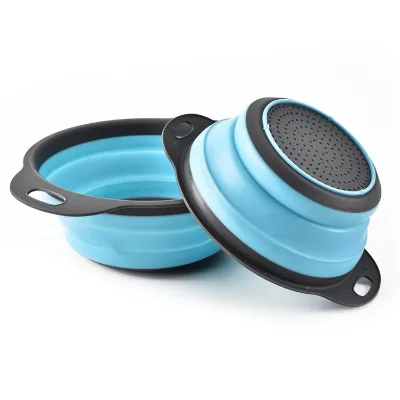
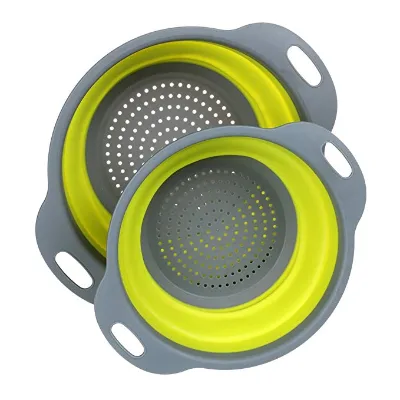
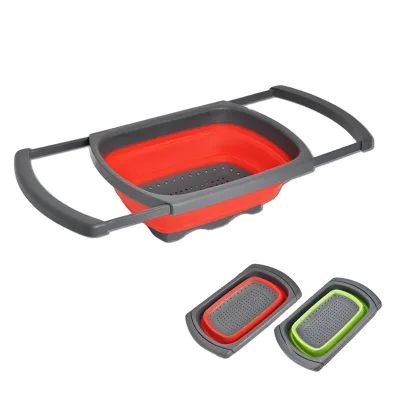
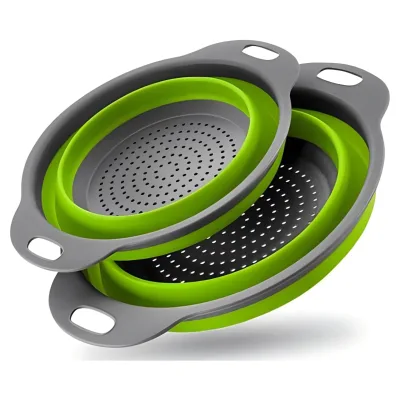
Quality control protocols must be established to monitor the consistency of key attributes like color, weight, and temperature resistance. The observed color variations, including red, blue, green, and orange, require strict color matching standards to ensure brand consistency across batches. Additionally, verifying the "Single gross weight" and "Product Weight" against the agreed specifications is essential to prevent shipping discrepancies and ensure that the product meets the advertised performance metrics. Implementing a robust inspection plan that includes pre-shipment checks for material defects and functional testing will mitigate the risk of receiving substandard goods.
Long-Term Procurement Checks
Sustainable sourcing practices should be integrated into the long-term procurement strategy, focusing on the environmental impact of the materials used. The "Eco-Friendly" attribute observed in some listings indicates a market trend toward sustainable kitchenware, but buyers must verify the specific environmental claims and certifications to ensure they align with their corporate sustainability goals. This includes assessing the recyclability of the silicone and PP materials and the efficiency of the packaging, which ranges from simple poly bags to customized boxes. A commitment to eco-friendly sourcing can enhance brand reputation and appeal to environmentally conscious consumers.
Continuous performance monitoring is essential to maintain the reliability of the supply chain over time. Buyers should establish a feedback loop with suppliers to track any changes in material quality, production lead times, or compliance status. Regular reviews of the product's performance in the field, particularly regarding the collapsible mechanism and drainage efficiency, will help identify potential issues before they escalate. By maintaining a proactive approach to supplier management and product evaluation, buyers can ensure a steady supply of high-quality collapsible colanders that meet the evolving needs of their customers.
FAQs
What materials are used for the collapsible colander?
The product is constructed from silicone and food-grade PP materials to ensure safety during cooking. This combination allows the basket to withstand temperatures ranging from -40 to 240 degrees while remaining durable for repeated use in kitchen environments.
Can I customize the logo on the collapsible colander?
Yes, customized logos are accepted for this product to meet specific branding needs. Buyers can request personalized branding options while selecting from available colors like red, blue, green, or orange to match their corporate identity or marketing requirements.
Which sizes are available for the collapsible colander?
The collapsible colander comes in small and large sizes to accommodate different kitchen storage needs. Specific dimensions vary by model, with some units measuring approximately 40 by 27 by 5 centimeters when packaged for efficient shipping and storage.
How much is the minimum order quantity for this item?
The minimum order quantity varies by supplier, with observed ranges starting from one unit up to six thousand units. Some specific listings indicate a minimum order of fifty units, while others may require ten units depending on the manufacturer and stock availability.
What is the warranty period for the collapsible colander?
A standard warranty of twelve months is provided for this silicone folding drain basket to ensure product reliability. This coverage protects buyers against manufacturing defects and ensures the item performs correctly within its specified temperature range during normal kitchen usage.
Where are these collapsible colanders manufactured?
These products originate from manufacturing hubs in Guangdong and Zhejiang provinces in China. This location ensures access to established supply chains for silicone and plastic components while maintaining competitive pricing for international buyers seeking bulk orders.
Is the collapsible colander BPA free and eco-friendly?
Yes, the product features BPA-free materials and is designed to be eco-friendly for sustainable kitchen use. These attributes make it a safe choice for washing fruits and vegetables while aligning with modern environmental standards and health-conscious consumer preferences.